If you work in the DC area, you have probably asked yourself a simple question: can you really get more home without making your day-to-day commute unworkable? Falling Waters often comes up for that reason. It offers a highway-connected location in Berkeley County, access to the broader Eastern Panhandle, and a housing mix that can appeal to buyers looking for more space and value. In this guide, you will learn how the commute works, what to know about local housing options, and how to protect yourself during inspections and closing. Let’s dive in.
Why Falling Waters Draws DC Commuters
Falling Waters sits in Berkeley County, a part of West Virginia that has seen steady growth. According to the U.S. Census Bureau’s Berkeley County quick facts, the county’s 2024 population estimate was 136,287, which was up 11.6% from the April 2020 base.
That same source shows a 76.0% owner-occupied housing rate, a median owner-occupied home value of $266,300, and a mean travel time to work of 30.7 minutes. For many buyers coming from the DC area, that data helps frame why Falling Waters gets attention. You may be able to balance homeownership, space, and access to major routes in a way that feels more manageable.
The county also shows signs of continued growth and day-to-day connectivity. The Census reports that 96.2% of households have a computer, 92.2% have a broadband subscription, and Berkeley County issued 1,460 building permits in 2024. That does not guarantee the same setup at every property, but it does support the idea that remote work and hybrid schedules can fit into the local market.
How the Commute Usually Works
For most commuters, Falling Waters is a highway-first location. The key transportation pattern centers on Interstate 81 and nearby connecting roads.
According to the West Virginia Division of Highways interstate interchange list, US 11 is at Exit 23 for Marlowe and Falling Waters, WV 901 is at Exit 20, WV 9 is at Exit 16, and the Maryland state line is at Exit 26. In practical terms, that means Falling Waters gives you quick access to I-81 and puts you just south of Maryland.
If you are driving into Maryland, Northern Virginia, or toward DC, your commute planning should start with route access, traffic timing, and how close a home sits to the roads you expect to use most often. A few miles can make a real difference when you are repeating the trip several times a week.
MARC Is the Rail Backup
If you do not want to drive every day, the main non-driving option is MARC commuter rail. As the West Virginia passenger rail page explains, MARC runs Monday through Friday between Martinsburg and Washington, DC.
A current schedule example on that page shows a 5:25 a.m. departure from Martinsburg arriving at Union Station at 7:35 a.m. For buyers in Falling Waters, the important takeaway is simple: Martinsburg is the rail gateway, not Falling Waters itself. If train access matters to you, you will want to factor in the drive from home to the station, parking, and the total door-to-door time.
What Kind of Homes You Will Find
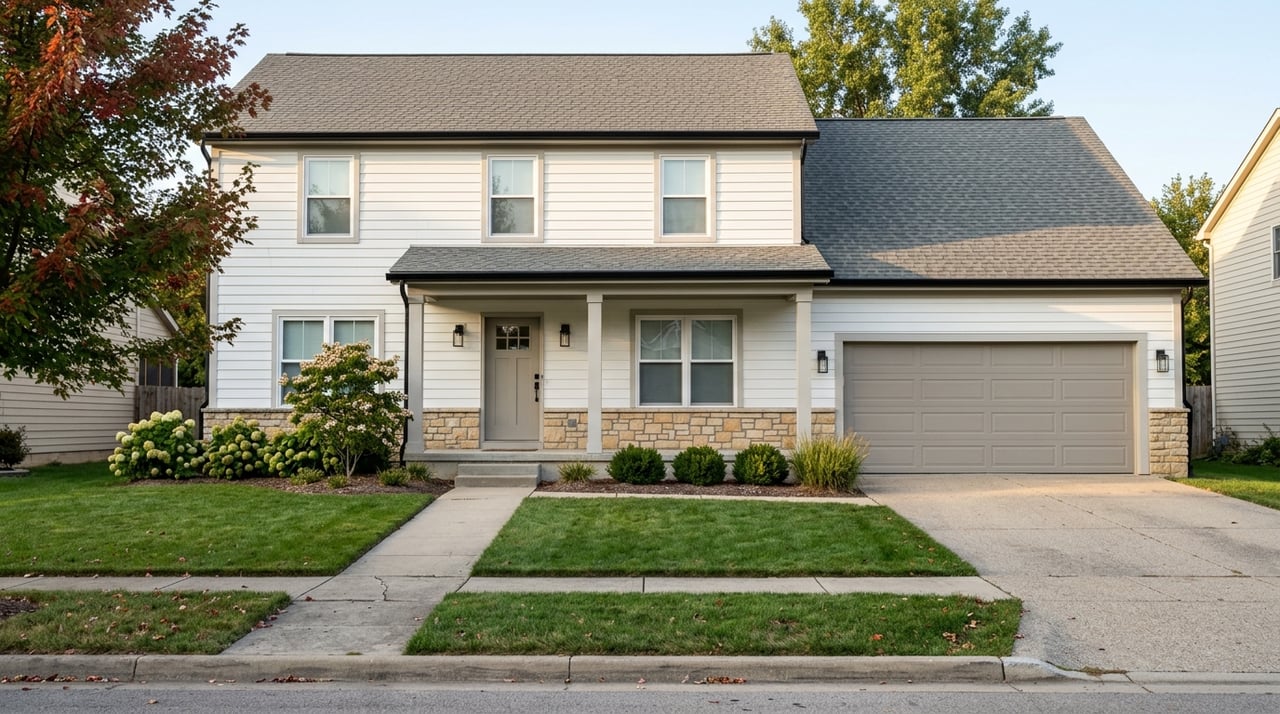
One of the biggest mistakes a commuter buyer can make is assuming all Falling Waters homes offer the same ownership experience. They do not. The area includes a mix of planned communities and properties with more land, and that affects your budget, maintenance, and due diligence.
The Berkeley County Planning Commission’s annual activity report references Falling Waters projects including Cardinal Pointe, Meadow Crest, Communities of Burwell, Overlook at Riverside, Crown Pointe, Potomac Station, and Faraway Farm. The same report reflects activity across single-family homes, townhouses, commercial or industrial categories, and acreage.
That variety is good news if you want options. It also means you should compare homes carefully instead of focusing only on price and square footage.
Planned Communities vs Larger-Lot Homes
A townhouse or home in a planned subdivision may offer a different maintenance picture than a property on a larger parcel. Depending on the property, you may need to ask different questions about exterior upkeep, drainage, water systems, and waste systems.
That matters even more if you are relocating from the DC area and are less familiar with homes that may rely on private systems. A property with a private well or septic setup can be a great fit, but it calls for careful review before you close.
What to Check Before You Buy
When you are buying in Falling Waters, your inspection strategy should match the property type. A strong due-diligence plan can help you avoid expensive surprises and keep your contract timeline on track.
The National Association of Realtors consumer guide to home inspections lists common inspection areas such as the structure, roof, plumbing, electrical, HVAC, ventilation and insulation, drainage, and health-related issues like mold and radon. Those are important in any market, but they become especially relevant when a home’s age, lot conditions, or utility setup vary from one property to another.
Add Property-Specific Inspections
For some Falling Waters homes, a general inspection may not be enough on its own. Based on the property, you may also want to consider:
- Septic system review
- Private well testing
- Drainage evaluation
- Radon testing
The EPA’s guide for homebuyers with septic systems is specifically designed for buyers purchasing a home with septic. EPA also notes that local health departments may offer private well testing, and West Virginia’s health department encourages homeowners to test for radon.
Why Timing Matters in a Commuter Purchase
If you are house hunting while working, commuting, or living out of town, your contract timeline matters just as much as the house itself. You need enough time to complete inspections, review results, and make informed decisions without rushing.
The Consumer Financial Protection Bureau’s inspection guidance advises buyers to schedule the home inspection as soon as possible. That creates room to deal with issues, arrange specialty inspections, and respond before your deadlines run out.
CFPB also explains that if your contract includes an inspection contingency, you may be able to cancel without penalty if you are not satisfied with the inspection outcome. NAR adds that inspection contingencies are optional but useful, that the inspection itself typically takes at least two to three hours, and that an as-is sale means the seller is not promising repairs.
A Practical Due-Diligence Checklist
If you are buying in Falling Waters from the DC area, it helps to keep your next steps simple and organized. A practical checklist often includes:
- Schedule the general home inspection quickly after ratification
- Review whether septic, well, drainage, or radon testing applies
- Allow time for follow-up inspections if concerns come up
- Keep appraisal timing in mind because repair issues can still affect closing
- Confirm deadlines early so you are not making decisions at the last minute
This is where step-by-step guidance matters. A clear plan can make a big difference when you are balancing commute decisions, work schedules, and a move.
Remote Buying Takes Extra Planning
Many DC-area buyers start the process from outside West Virginia. That is common, but remote coordination works best when you plan ahead.
Berkeley County’s broadband figures support the idea that remote work and digital coordination are realistic in the area. Even so, not every part of the transaction is automatic just because you can sign some documents online.
According to the West Virginia Secretary of State’s e-notarization information, ordinary e-notarization still requires the signer to be physically present with the notary. The state also outlines rules for remote notarizations, including audiovisual recording, record retention, and added conditions when the signer is outside West Virginia.
Confirm Closing Logistics Early
If you expect to buy from out of town, confirm the signing process well before closing. In practical terms, that means checking with your lender, title company, and notary about which documents can be handled remotely and which may require a different format.
That one conversation can save a lot of stress at the end of the transaction. It is much easier to solve those details early than to scramble during closing week.
How to Decide If Falling Waters Fits You
Falling Waters can make sense if you want a location with straightforward highway access, a variety of housing choices, and the option to use Martinsburg as a rail connection to Washington, DC. It may be especially appealing if you are trying to stretch your housing budget while staying within reach of the broader DC region.
At the same time, the right home for you depends on more than commute miles. You also need to weigh property type, inspection needs, closing logistics, and how your weekly schedule will actually work in real life.
If you want a calm, step-by-step plan for buying in the Eastern Panhandle, Suzanne Frund can help you sort through the options, understand the details, and move forward with confidence.
FAQs
Is Falling Waters a good option for a DC-area commuter buying a home?
- Falling Waters can be a practical option if you want I-81 access, proximity to Maryland, and a range of home choices while staying connected to the broader DC region.
What is the main commute route from Falling Waters, West Virginia?
- The main commute pattern centers on I-81, with access tied to exits including US 11 at Exit 23, WV 901 at Exit 20, and WV 9 at Exit 16.
Can you take a train to Washington, DC from Falling Waters?
- Falling Waters does not have its own MARC station, so buyers typically use Martinsburg as the commuter rail access point for weekday service to Washington, DC.
What types of homes are available in Falling Waters, WV?
- Falling Waters includes a mix of single-family homes, townhouses, and larger-parcel properties, so maintenance needs and inspection items can vary from one home to another.
What inspections should buyers consider in Falling Waters?
- In addition to a general home inspection, buyers may need septic, private well, drainage, or radon testing depending on the property.
Can you buy a home in Falling Waters remotely?
- Yes, remote coordination is possible, but you should confirm early with your lender, title company, and notary which documents can be signed remotely and which may require a different process.
