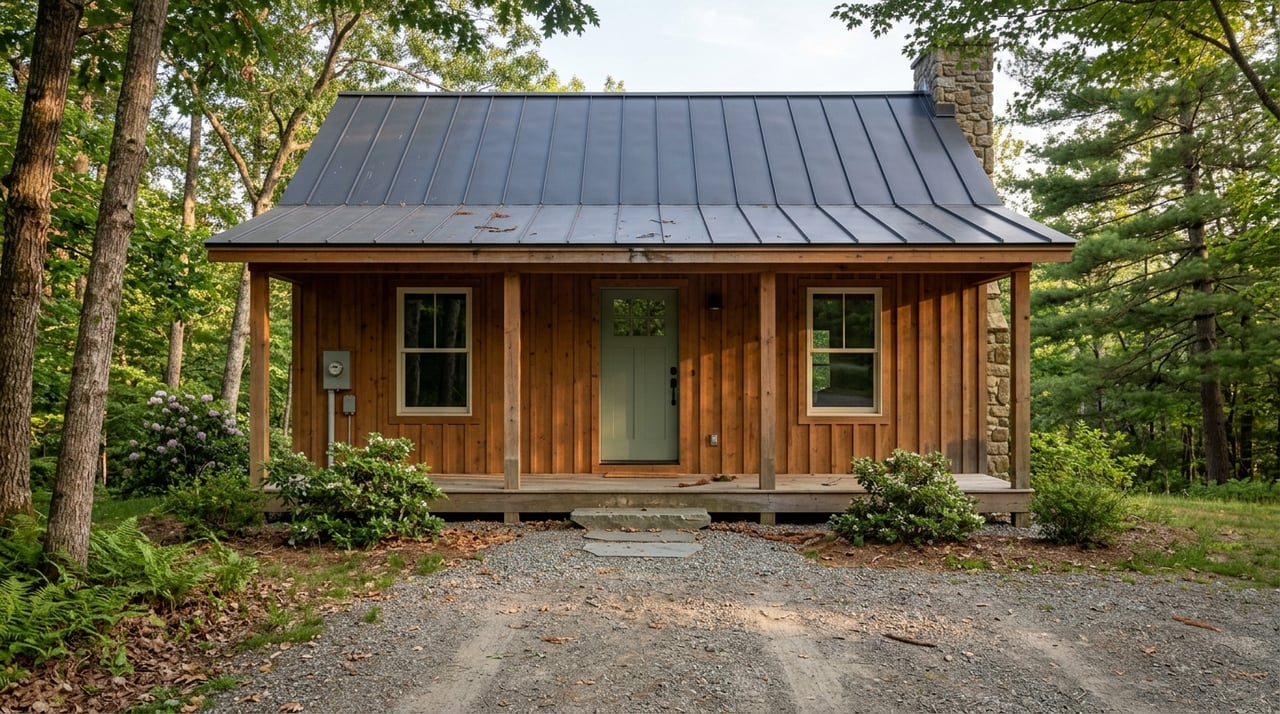
Dreaming about a cabin retreat or a piece of land in Great Cacapon? In this market, the most important details may not be the view from the porch or the finish on the floors. You need to know whether the property has workable access, utility approvals, and flood considerations before you fall in love with it. This guide will help you focus on the right questions so you can move forward with more confidence. Let’s dive in.
Why Great Cacapon Buying Is Different
Buying in Great Cacapon is often as much about site feasibility as it is about the home itself. In Morgan County, building-related approvals can depend on well, septic, and highway entrance permits when those items apply.
That means a cabin or land purchase is not just about square footage, finishes, or acreage. You also need to understand whether the property is practical to use, improve, finance, and access year-round.
Start With Access and Legal Use
In a rural area, access matters more than many buyers expect. Before you get attached to a property, confirm that it has deeded access and that you understand how you legally reach it.
If the property uses a private road or shared easement, ask who is responsible for maintenance. Morgan County planning materials specifically require maintenance responsibility language for common access easements, which tells you this is a key issue, not a minor detail.
Questions to ask about access
- Is access deeded and clearly shown on the plat?
- Is the road public, private, or shared?
- Who maintains the road or easement?
- Is access reliable year-round?
- Does the entrance connect to a state highway?
If a driveway connects to a state highway, a West Virginia Division of Highways encroachment permit may be required. The state reviews driveway location, design, drainage, and sight distance, so this should be verified early.
Verify Well and Water Details Early
For many Great Cacapon properties, water service is a major part of the decision. If the property relies on a private well, you should verify permit status and ask for any available records before closing.
In West Virginia, a permit from the local health department is required before drilling, modifying, or abandoning a well. The well must also be drilled by a licensed or certified driller, so documentation matters.
Private well water should also be tested regularly. The safest move is to review recent test results and, if needed, plan updated testing through a state-certified laboratory so you have a clearer picture of water quality.
Water checklist for buyers
- Confirm whether water is public or private well
- Ask for the well permit and available records
- Review recent water test results
- Verify the well location on the property
- Use a state-certified lab for any updated testing
Confirm Septic Before You Count on Buildability
Septic approval is another major factor in Great Cacapon. Morgan County ties building approval to septic approval, which means a lot or cabin site may not be as straightforward as it first appears.
If the property already has septic approval, confirm that the approved location matches the site plan. Morgan County’s residential permit materials also warn that an approved septic location cannot be moved without a new septic permit.
This becomes even more important with parcels created through family transfer or subdivision carve-outs. County materials note that family-transfer plats may include language stating there is no guarantee that water and sewer permits will be approved.
Septic questions worth asking
- Is there an existing septic permit or approval?
- Does the approved location match the current layout?
- Has anything changed since the original approval?
- Are there remaining registration or seal steps?
- Was the parcel created through a family transfer or carve-out?
Look Beyond Cosmetic Features in Cabin Listings
A charming cabin can be easy to love at first sight. But in Great Cacapon, buyers are usually better served by reviewing the property file before focusing on finishes, décor, or updates.
A listing should prompt questions about acreage, access, utility status, and flood exposure. Those items often have a bigger effect on long-term value and usability than a renovated kitchen or fresh paint.
For cabins and rustic homes, inspection due diligence should be system-focused. That includes the structure itself, but also the well, septic, road access, driveway status, and floodplain considerations.
Flood Risk Deserves Extra Attention
Flood risk should be part of your early review, especially if the property is near the Cacapon River or other low-lying areas. The Cacapon River near Great Cacapon has a long recorded flood history, with 93 historical floods listed in the period of record.
Morgan County also has an Improvement Location Permit and Floodplain Ordinance, which reinforces the importance of checking flood exposure before you get too far into the process. This is not something to leave until the last minute.
What to verify on flood exposure
- Whether the property is in or near a mapped flood area
- Whether the home site or building area is affected
- Whether flood insurance may be required by the lender
- What flood insurance may cost before contingencies expire
If the mortgage comes from a federally regulated or insured lender, flood insurance is required in high-risk flood areas. Even when it is not required, you should still understand the property’s exposure and potential insurance costs.
Financing Land and Cabins Can Work Differently
Financing in rural areas can look different from a standard suburban home purchase. If you are buying land only, a partially improved parcel, or a rustic cabin with nonstandard systems, lender fit should be confirmed early.
USDA financing may be relevant in rural eastern West Virginia, but you need to verify both household income eligibility and property eligibility. For USDA Section 502 Direct Loans in West Virginia, USDA states that no down payment is typically required, and applications are accepted year-round through the local Rural Development office.
Even if a financing program looks promising, you should still budget for cash at closing. Closing costs typically run about 2% to 5% of the purchase price, and you may also need funds for repairs, improvements, and moving expenses.
Financing tips for Great Cacapon buyers
- Ask your lender whether the property type fits their guidelines
- Verify rural program eligibility early if you plan to explore USDA options
- Budget for closing costs and post-closing improvements
- Be extra careful with land-only and partially improved parcels
- Confirm financing before you go under contract when possible
Your Due Diligence Window Matters
In Great Cacapon, the biggest risks often show up in documents, permits, and site conditions. That is why your due diligence period matters so much.
Before your inspection contingency ends, confirm access, utility approvals, flood exposure, and lender fit. If a seller cannot document permits, well testing, septic approval, or road access status, treat that as an item to investigate carefully.
Missing paperwork is not always a deal-breaker, but it should never be brushed aside. In a rural market, documentation can be the difference between a smooth purchase and an expensive surprise.
A Simple Great Cacapon Buyer Checklist
If you want a practical starting point, focus on these items first:
- Confirm deeded, year-round access
- Review any road-sharing or easement maintenance responsibility
- Check whether a highway entrance or driveway permit is needed
- Verify water source and well permit details
- Review well test results or plan updated testing
- Confirm septic approval and approved location
- Check flood exposure early
- Estimate possible flood insurance costs before contingencies expire
- Confirm the property fits your financing plan
- Budget for closing costs, repairs, and improvements
Why Step-By-Step Guidance Helps
Buying land or a cabin in Great Cacapon can be exciting, but it also comes with more moving parts than many buyers expect. A calm, organized approach helps you ask the right questions in the right order.
When you work step by step, it is easier to protect your time, your budget, and your long-term plans for the property. That kind of clarity can make a big difference, especially in a market where feasibility matters as much as the home itself.
If you are thinking about buying in Great Cacapon and want practical guidance from search to closing, Suzanne Frund is here to help you move forward with confidence.
FAQs
What should you check first when buying land in Great Cacapon?
- Start with deeded access, road maintenance responsibility, water source, septic approval, flood exposure, and whether the property fits your financing plan.
What makes a Great Cacapon cabin purchase different from a typical home purchase?
- A Great Cacapon cabin purchase often requires closer review of site conditions like well, septic, legal access, driveway permits, and floodplain status, not just the condition of the structure.
Do Great Cacapon buyers need to verify private road maintenance?
- Yes. If the property uses a private road or shared easement, you should confirm who is responsible for maintenance and review the deed and plat carefully.
Should you test private well water before buying in Great Cacapon?
- Yes. If the property uses a private well, you should review available test results and consider updated testing through a state-certified lab.
Why is flood risk important when buying near Great Cacapon?
- Flood risk matters because the area near the Cacapon River has a long flood record, and flood exposure can affect insurance requirements, costs, and how you use the property.
Can USDA financing help with a Great Cacapon home purchase?
- It may. USDA programs can be relevant for eligible rural properties and eligible borrowers, so it is smart to verify both borrower and property eligibility early in the process.
