If you have ever dreamed about living somewhere that feels like a postcard and a trail map at the same time, Harpers Ferry probably has your attention. This is a place where history, rivers, and mountain views shape daily life, but it also comes with practical tradeoffs that matter when you are choosing a home. If you are thinking about buying in Harpers Ferry, this guide will help you understand what living near history really looks like, from parking and preservation rules to commuting and flood awareness. Let’s dive in.
Why Harpers Ferry Feels Different
Harpers Ferry is a very small town, about 0.6 square miles according to the town, and it sits where the Potomac and Shenandoah rivers meet. That setting gives the town its well-known character, along with constant visual reminders of the past.
The town also overlaps closely with Harpers Ferry National Historical Park. Some parts of Lower Town are part of the park, while other parts are part of the town, and everything outside the park boundary is within the federally recognized Harpers Ferry Historic District. In daily life, that means history is not just nearby. It is built into the setting around you.
What Daily Life Can Feel Like
Living in Harpers Ferry can feel more walkable, scenic, and connected to the outdoors than many other towns in the Eastern Panhandle. The compact layout and village-like core create a very different rhythm from a typical subdivision.
Outdoor access is a major part of that lifestyle. The National Park Service says Harpers Ferry has 22 miles of hiking trails, with direct access to the Appalachian National Scenic Trail, the Chesapeake and Ohio Canal towpath, Maryland Heights, Loudoun Heights, and other routes.
The Appalachian Trail also passes through Harpers Ferry, and the Appalachian Trail Conservancy headquarters is located there. For many buyers, that kind of access is not just a weekend bonus. It becomes part of how you spend your mornings, evenings, and days off.
Historic Homes Come With Extra Rules
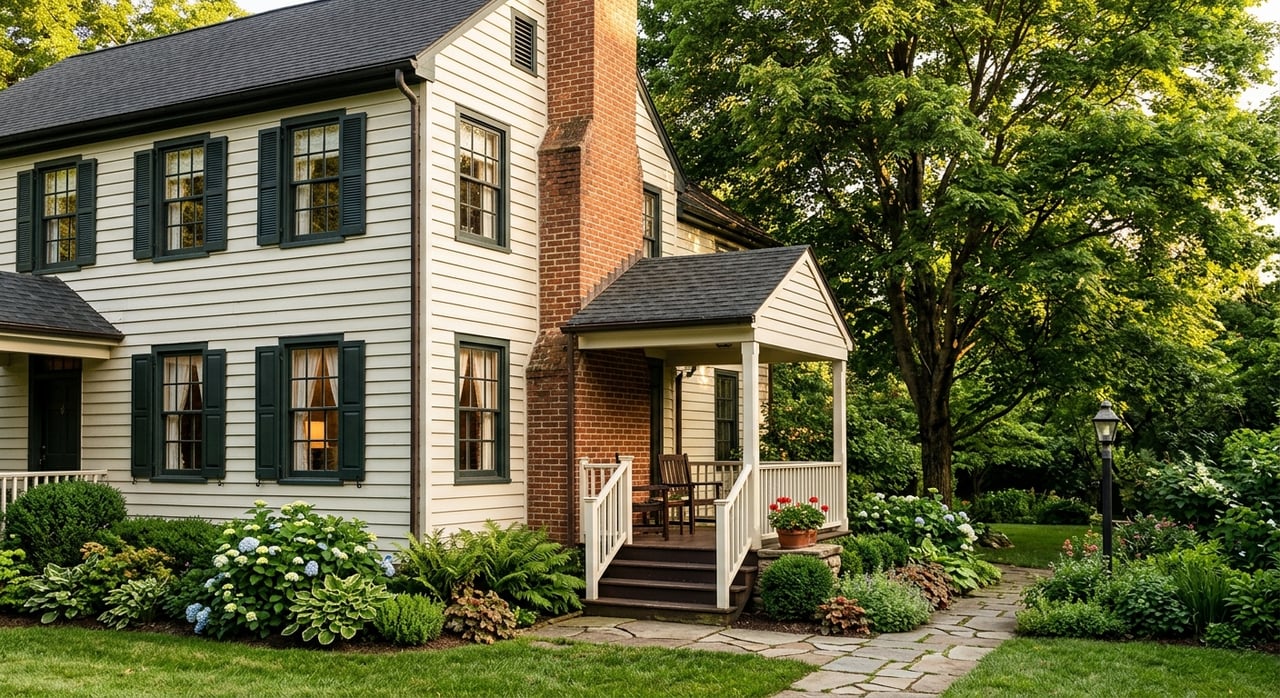
If you love the look and feel of older homes and preserved streetscapes, Harpers Ferry may be especially appealing. At the same time, ownership here often means working within more design and land-use rules than you would find in a newer neighborhood.
The town has both a Planning Commission and a Historic Landmarks Commission focused on preserving and rehabilitating historic structures. The official zoning map includes Residential/Historic and Business/Historic districts, which helps explain why the town feels cohesive and visually consistent.
In the Residential/Historic district, the baseline permitted use is one single-family dwelling unit per lot. The zoning ordinance also limits certain permanent residential uses, while allowing some owner-occupied bed-and-breakfasts, home-based businesses, and some short-term rental uses under specific rules.
In the Business/Historic district, mixed-use patterns are allowed, including dwelling units over permitted businesses. That setup supports the small-scale, traditional feel of the town center.
What That Means for Buyers
Before you fall in love with a property, it helps to understand how preservation standards may affect your plans. New construction and exterior changes are more controlled here than in many nearby communities.
The town’s site-development standards say setbacks should match historic buildings on the block where possible. Residential footprints, driveway coverage, and parking coverage are also capped, and new construction must place utilities underground.
For you as a buyer, that means Harpers Ferry ownership is often more about fitting into an established historic setting than maximizing lot use. If your priority is preserving character, that can be a big positive. If your priority is flexibility for major changes, it is worth looking closely before you buy.
Parking Is a Real Quality-of-Life Issue
In many towns, parking is just a detail. In Harpers Ferry, it is part of everyday planning.
The town’s police department says residential street parking is by permit only, with permits issued annually. Residents with limited off-street parking on Washington Street and side streets may need decals, and the policy also includes guest permits and separate rules for businesses, bed-and-breakfasts, and short-term rentals.
That tells you something important about life near the historic core. Curb space is managed tightly, and the number of available spaces may shape how convenient a property feels day to day.
Questions to Ask About Parking
When you tour homes in Harpers Ferry, it helps to ask practical questions early:
- How many off-street parking spaces does the property have?
- Is street parking permit-based for this location?
- What is the guest parking situation?
- Does the home’s layout make unloading groceries, moving items, or hosting visitors easier or harder?
These details can have a big impact on how a home works for you long after closing.
Flood Awareness Matters Here
The river setting is one of Harpers Ferry’s biggest draws, but it also brings real planning concerns. This is not something to treat as background information.
The National Park Service says floods are a fact of life in river valleys, and Harpers Ferry may experience a flood over 20 feet every 5 to 10 years. The park is susceptible to flooding, especially in lower-lying areas.
For homebuyers, that makes property-specific due diligence very important. Elevation, basement risk, and flood insurance deserve close attention, especially if you are considering a home near lower elevations.
Smart Things to Review Before You Buy
A calm, informed review can help you avoid surprises later. Depending on the property, you may want to look closely at:
- The home’s elevation and position relative to lower-lying areas
- Whether the property has a basement and how that space has been used
- Past signs of water intrusion or moisture concerns
- Current flood insurance requirements and likely carrying costs
In a place like Harpers Ferry, beautiful surroundings and practical planning need to go together.
Commuting From Harpers Ferry
Harpers Ferry is small, but it is not cut off. For many buyers, especially relocators and DC-area commuters, access in and out of town is part of the appeal.
According to the National Park Service, the visitor-center area is along US Route 340. Harpers Ferry is about 8 miles east of Charles Town, 20 miles southwest of Frederick, 25 miles from Martinsburg, about 66 miles from Washington, D.C., and about 82 miles from Baltimore.
Rail service adds another layer of flexibility. The National Park Service says MARC commuter trains run Monday through Friday between Washington Union Station and Martinsburg on the Brunswick Line, with Harpers Ferry as a stop, and Amtrak’s Capitol Limited also stops in Harpers Ferry seven days a week.
The West Virginia Department of Transportation also notes that MARC service operates weekdays between Martinsburg and Washington, D.C., and the state rail authority maintains the Harpers Ferry station. For buyers who want small-town living without giving up regional access, that matters.
Jefferson County’s mean travel time to work is 37.1 minutes, which supports the idea that this area works for many people as a commuter-friendly small town rather than a close-in suburb.
Tourism Shapes the Weekly Rhythm
One of the biggest things to understand about Harpers Ferry is that you are not just moving near a historic area. You are moving into a destination that attracts visitors throughout the year.
The National Park Service says Lower Town parking is extremely limited and often fills early, especially on weekends. It recommends that visitors park at the visitor center and use the shuttle into Lower Town.
Crowding is especially common in spring, summer, and fall. In 2024, 92.3 percent of visitor spending associated with Harpers Ferry National Historical Park came from non-local visitors, which shows just how much of a destination this area is.
What Residents Should Expect
If you live near the historic core, visitor activity is part of the normal pattern. That can bring energy and charm, but it also means your weekly routine may feel different from a quieter residential area.
You may notice:
- More activity on weekends
- Seasonal crowding in the warmer months and fall
- Tight parking conditions in and around Lower Town
- A more tourism-driven rhythm than in nearby towns
For some buyers, that atmosphere is a major plus. For others, it may feel too busy during peak seasons.
Is Harpers Ferry the Right Fit for You?
Harpers Ferry can be a great fit if you value history, trail access, scenic surroundings, and a compact town center. It offers a lifestyle that is hard to duplicate elsewhere in the region.
It may be less appealing if you want broad design freedom, abundant off-street parking, or a setting with little seasonal traffic. The town’s preservation structure, permit-based parking, flood awareness needs, and weekend crowding all point to a place with clear tradeoffs.
The key is not whether those tradeoffs are good or bad. It is whether they match the way you want to live.
How to Shop Smart in Harpers Ferry
If you are considering a move here, a practical home search matters. In a town this unique, the right questions can help you narrow your options faster and avoid frustration.
As you look at homes, focus on how each property fits your daily life, not just how it looks in photos. Parking, access, elevation, and renovation flexibility can matter just as much as charm.
A steady, step-by-step approach is especially helpful in Harpers Ferry because each property can come with a different mix of benefits and limits. When you understand those details early, you can move forward with more confidence.
If you are thinking about buying or selling in Harpers Ferry or the surrounding Eastern Panhandle, Suzanne Frund can help you sort through the details, understand the tradeoffs, and make a move with clarity.
FAQs
What is it like living near Harpers Ferry National Historical Park?
- Living near Harpers Ferry National Historical Park means being close to history, trails, and scenic river views, but it also means dealing with seasonal visitor traffic, limited parking near Lower Town, and a more tourism-driven weekly rhythm.
Are there parking rules for residents in Harpers Ferry, WV?
- Yes. The town says residential street parking is by permit only, permits are issued annually, and some areas near Washington Street and side streets require resident decals, with separate rules for guests and certain property uses.
Do Harpers Ferry homes face flood risk?
- Some do. The National Park Service says floods are a fact of life in river valleys and that Harpers Ferry may experience a flood over 20 feet every 5 to 10 years, so elevation, basement risk, and flood insurance should be reviewed carefully.
Is Harpers Ferry a good option for DC-area commuters?
- It can be, especially if you want a small-town setting with rail access. Harpers Ferry has a MARC stop on the Brunswick Line for weekday service to Washington, D.C., and it also has access via US Route 340.
Are there historic district rules for homes in Harpers Ferry?
- Yes. Harpers Ferry includes Residential/Historic and Business/Historic zoning districts, and the town uses preservation-focused standards that can affect new construction, setbacks, parking coverage, and exterior changes.
What kind of buyer tends to like Harpers Ferry most?
- Buyers who value historic character, outdoor access, and a compact town center often find Harpers Ferry rewarding, while buyers who want large lots, easy parking, and minimal design review may prefer another nearby area.
